Waterproofing Basements in Older Homes
People searching for waterproofing basements in older homes are usually trying to prevent leaks and water damage, and local contractors can provide expert solutions to protect and stabilize their basements.
Homeowners with older properties often face unique challenges when it comes to maintaining a dry and stable basement. If your older home has experienced past issues with moisture or water intrusion, exploring waterproofing options can be a practical step toward protecting your investment. Understanding the specific needs of aging foundations and how waterproofing services can address potential vulnerabilities is essential for keeping your basement dry and structurally sound.
Local contractors who specialize in waterproofing basements in older homes are equipped to assess existing conditions and recommend effective solutions tailored to the age and construction of your property. Whether it’s sealing cracks, installing drainage systems, or applying barrier coatings, these service providers can help create a more resilient basement environment. Keep reading to learn more about the benefits of waterproofing and how connecting with experienced local pros can support your home’s long-term stability.
- Basement waterproofing in older homes - homeowners noticing persistent dampness or water intrusion during heavy rains can benefit from local contractors who specialize in targeted waterproofing solutions.
- Foundation sealing projects - when cracks or leaks develop in aging foundations, service providers often recommend sealing and waterproofing to prevent further damage.
- Exterior waterproofing - older homes with compromised exterior walls may require professional excavation and sealing to keep moisture out effectively.
- Interior waterproofing systems - for homes experiencing interior flooding or high humidity, local pros can install drainage and sump pump systems tailored to older basement structures.
- Waterproofing assessments for older homes - property owners seeking evaluations of existing basement vulnerabilities can connect with specialists who perform thorough inspections and recommend appropriate waterproofing methods.
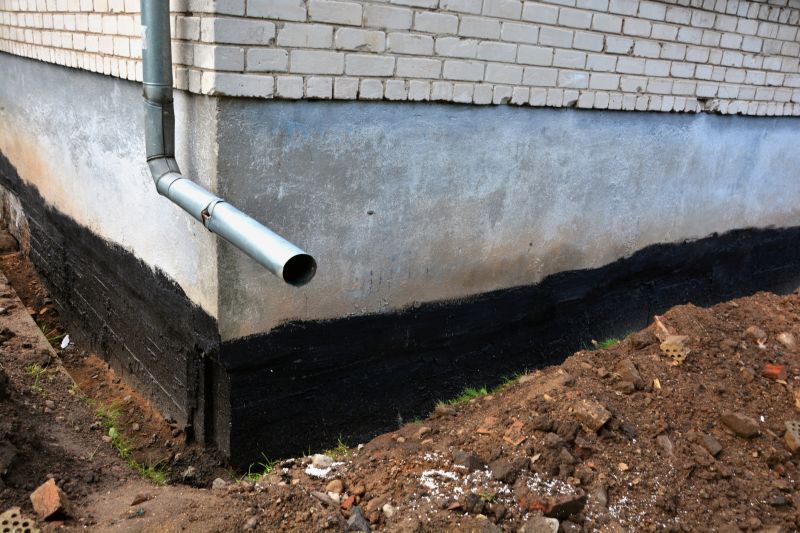
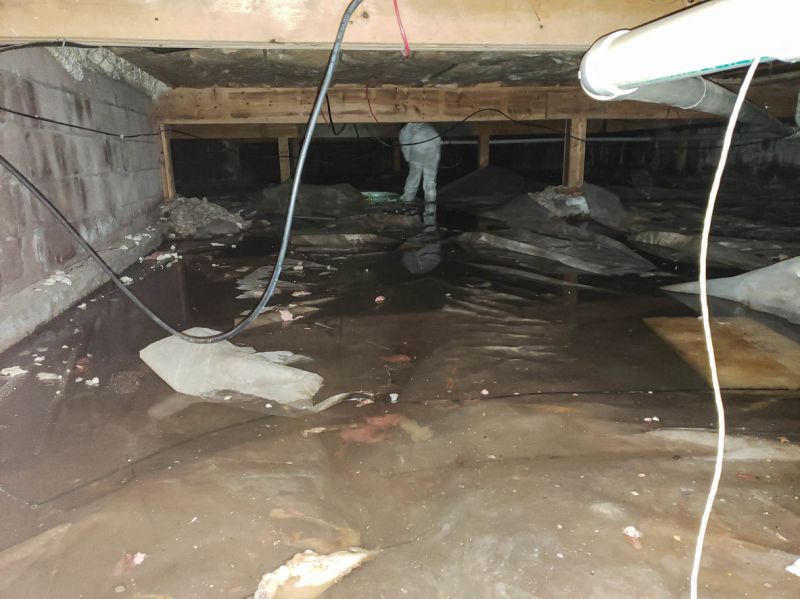
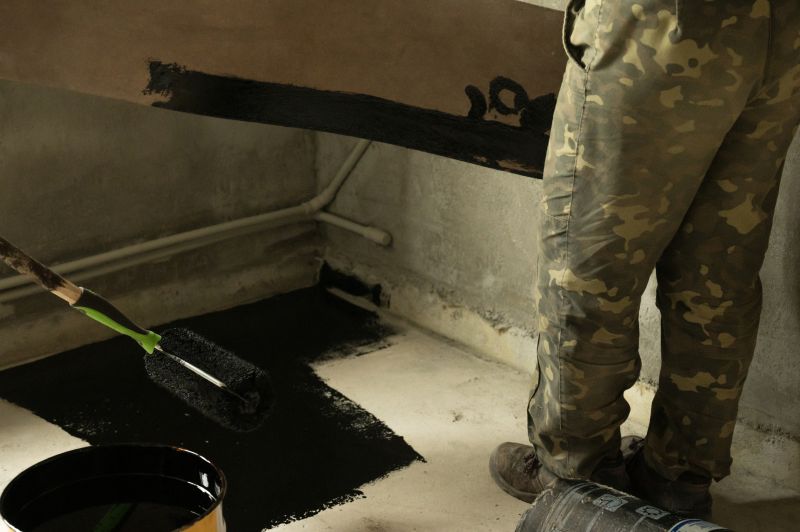
When people search for waterproofing basements in older homes, they are typically looking for solutions to prevent or fix water intrusion issues that have developed over time. Many older properties were built with materials and drainage systems that may no longer be effective against modern weather patterns or shifting foundations. Homeowners often want to understand how to keep their basements dry, whether they’re planning to finish the space, store valuables, or simply want to eliminate the nuisance of dampness and mold. This search often indicates a concern about ongoing moisture problems or a desire to improve the overall durability of the home’s foundation.
The problems associated with waterproofing basements in older homes can vary widely. Common issues include chronic dampness, efflorescence (white mineral deposits on walls), mold growth, musty odors, and even structural concerns caused by water damage. Many older homes may have cracks, deteriorated sealants, or inadequate drainage systems that allow water to seep in during heavy rain or snowmelt. Homeowners may also be considering plans to finish or remodel their basements, which makes effective waterproofing an essential step to protect their investment. Local service providers often evaluate existing conditions and recommend tailored solutions that address these specific problems.
Properties that typically come up in searches for waterproofing basements in older homes are often characterized by their age, construction style, and geographic location. These homes are frequently built with materials like stone, brick, or early concrete mixes that may not be as resistant to water penetration as modern materials. They are often found in regions with high rainfall, fluctuating temperatures, or poor drainage conditions. Many of these homes have basements that have been used for storage, laundry, or additional living space, which increases the importance of maintaining a dry environment. Local contractors experienced with older construction styles can assess how these unique features influence waterproofing needs and recommend appropriate measures.
Connecting with local pros is a practical step for homeowners considering waterproofing basements in older homes. These specialists understand the common issues faced by older properties and have the expertise to determine whether interior sealants, exterior drainage improvements, sump pump installations, or foundation repairs are necessary. Since older homes often require customized approaches, working with experienced service providers ensures that the solutions are effective and durable. Homeowners can benefit from expert assessments and comparisons of different waterproofing methods, helping them choose the best options for their specific property. Ultimately, partnering with local contractors can make the process of waterproofing an older basement more straightforward and reliable.
Foundation Repair - foundation repair projects often require similar planning and tools as waterproofing basements in older homes, especially when addressing cracks or settling issues that can lead to water intrusion.
Drainage System Installation - installing or upgrading exterior and interior drainage systems is closely related to basement waterproofing, helping to divert water away from older home foundations.
Crawl Space Encapsulation - encapsulating crawl spaces involves moisture control techniques that complement basement waterproofing efforts by managing humidity and preventing water damage.
Basement Finishing - finishing a basement often requires prior waterproofing to ensure a dry and durable space, making these projects interconnected in older homes.
Wall Repair and Reinforcement - repairing and reinforcing basement walls addresses structural concerns similar to those encountered in waterproofing older homes, especially when dealing with moisture-related deterioration.
Waterproofing Membrane Application - applying waterproof membranes on foundations and basement walls is a common service that overlaps with waterproofing basements in older homes to prevent leaks and seepage.
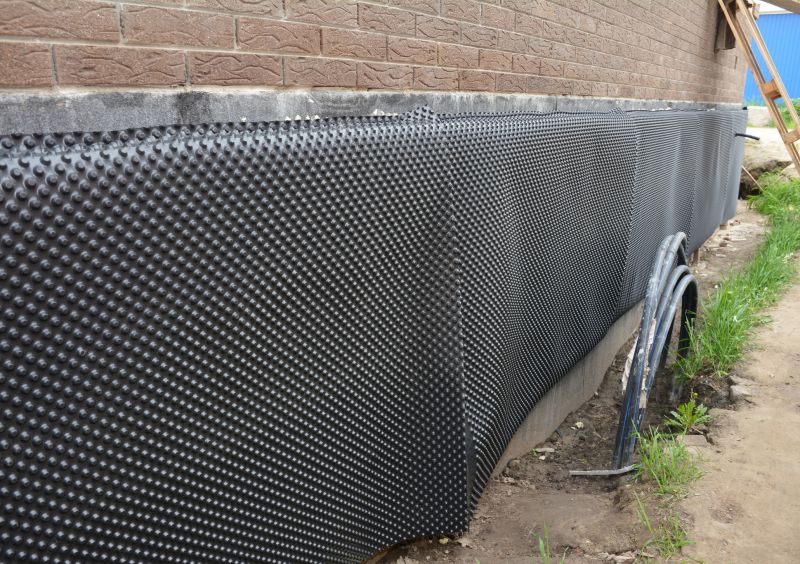
When evaluating service providers for waterproofing basements in older homes, it is important to consider their experience with similar projects. An experienced contractor will understand the unique challenges that come with older structures, such as existing foundation conditions, historical materials, and potential drainage issues. Asking about past projects that involved waterproofing in homes with comparable age and construction features can provide insight into their familiarity with the specific requirements of such jobs, helping to ensure the selected contractor can handle the complexities involved.
Clear and detailed written expectations are essential when choosing a basement waterproofing service. A reputable contractor should be able to provide a thorough explanation of the proposed work, including the methods they plan to use, the scope of the project, and any necessary preparations or follow-up steps. Having these details in writing helps prevent misunderstandings and ensures that homeowners are aware of what to expect throughout the process. This clarity can also serve as a foundation for comparing different service providers and assessing their professionalism and transparency.
Reputable references and effective communication are key factors in selecting the right local contractor for waterproofing basements in older homes. References from previous clients can offer valuable insights into the contractor’s reliability, quality of work, and ability to meet deadlines. Additionally, good communication-prompt responses, willingness to answer questions, and clear explanations-can make the entire experience smoother and more predictable. Working with a service provider who values open dialogue and has positive references can contribute to a more confident decision and a successful basement waterproofing project.
Property owners often search for waterproofing basements in older homes when they are planning practical projects around their homes and businesses. Local pros provide Basement Waterproofing services for everyday jobs and straightforward project options.
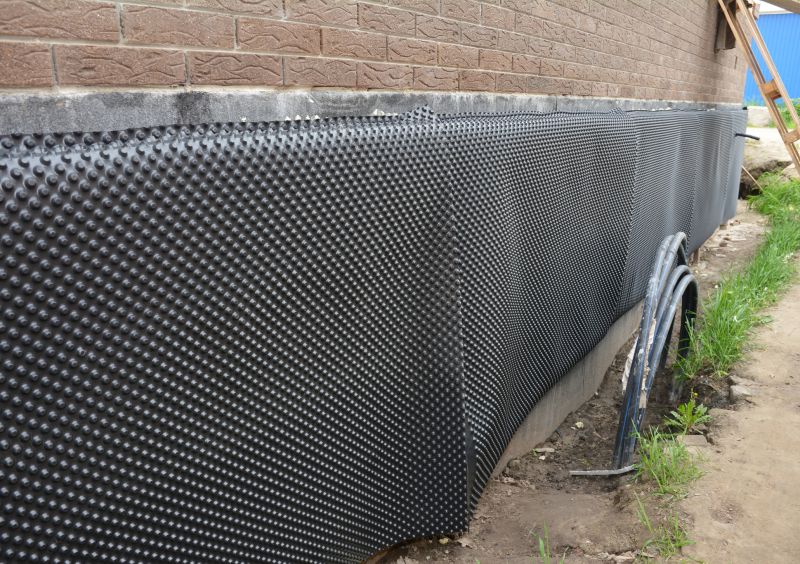
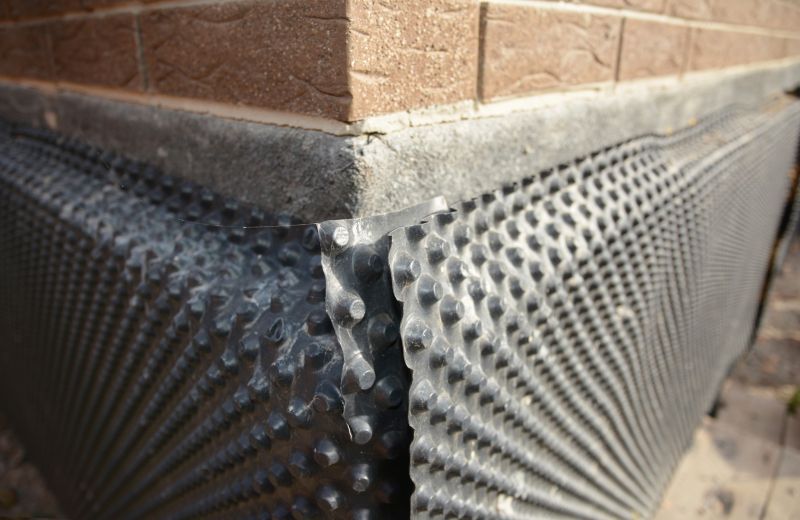
Homeowners exploring options for waterproofing basements in older homes often notice signs like dampness, musty odors, or water seepage after heavy rains. These issues can lead to concerns about structural damage, mold growth, or simply uncomfortable living conditions. Many property owners turn to local contractors who specialize in basement waterproofing services to assess the situation and recommend effective solutions. These professionals can help identify vulnerabilities in the foundation, install drainage systems, or apply sealants to prevent water intrusion, making basements more secure and livable.
People researching basement waterproofing in older homes may also be motivated by plans to finish or renovate their basements, or to protect valuable belongings stored below ground. Since older properties often have unique challenges, such as aging foundation materials or previous repairs, experienced local service providers are equipped to handle these specific needs. Connecting with local contractors can provide peace of mind that the job will be tailored to the home's condition, ensuring long-term protection against moisture problems and potential water damage.
What are common waterproofing methods for older homes' basements? Local contractors often use techniques such as interior sealants, exterior drainage improvements, and sump pump installations to address waterproofing in older basements.
How do I know if my older home's basement needs waterproofing? Signs like persistent dampness, mold growth, or water stains can indicate the need for waterproofing services provided by local specialists experienced with older homes.
Can waterproofing be done without major excavation in an older home? Yes, many local service providers offer interior waterproofing options that do not require extensive excavation, making them suitable for older homes with limited access.
What factors affect the effectiveness of basement waterproofing in older homes? Factors include the condition of existing foundation walls, drainage system integrity, and proper installation by experienced local contractors familiar with older construction.
Are there specific challenges when waterproofing basements in older homes? Yes, older homes may have aging or deteriorated foundations, and local pros can tailor waterproofing solutions to address these unique structural conditions effectively.
Identify problem areas - inspecting the basement for cracks or signs of moisture can help determine where waterproofing is needed and guide the work of local contractors.
Choose appropriate waterproofing methods - exploring options like interior sealants or exterior drainage systems allows property owners to select solutions suited to their older home's foundation.
Prepare the space properly - clearing clutter and ensuring proper drainage around the home creates a better environment for waterproofing services from local experts.
Schedule regular inspections - periodic checks can help catch new issues early and maintain the effectiveness of waterproofing in older homes over time.
If you are thinking about waterproofing basements in older homes for a property, this guide is meant to help you understand this topic, the typical project types, and how different options might fit your plans.
When you are ready, you can use the quote form on this page to share a few details about your project. From there, local pros can review the basics and follow up with options that match what you have in mind.